






The wetland may be closer than you think
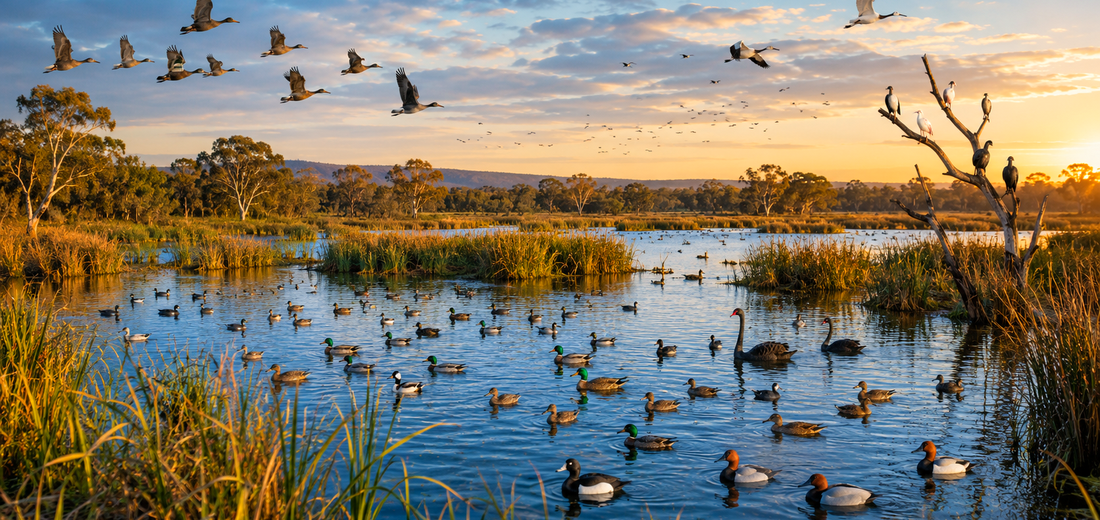
Waterfowl do not live only on remote marshes. Pacific Black Ducks, Australian Wood Ducks, Grey Teal, Chestnut Teal, swans, coots and other waterbirds regularly use farm dams, urban lakes, drainage basins, school grounds and backyard ponds.
These everyday places can provide water, food, shelter and safe resting areas. Repeated observations help reveal which species are present, where young birds are being raised, and how local habitat changes through the seasons.
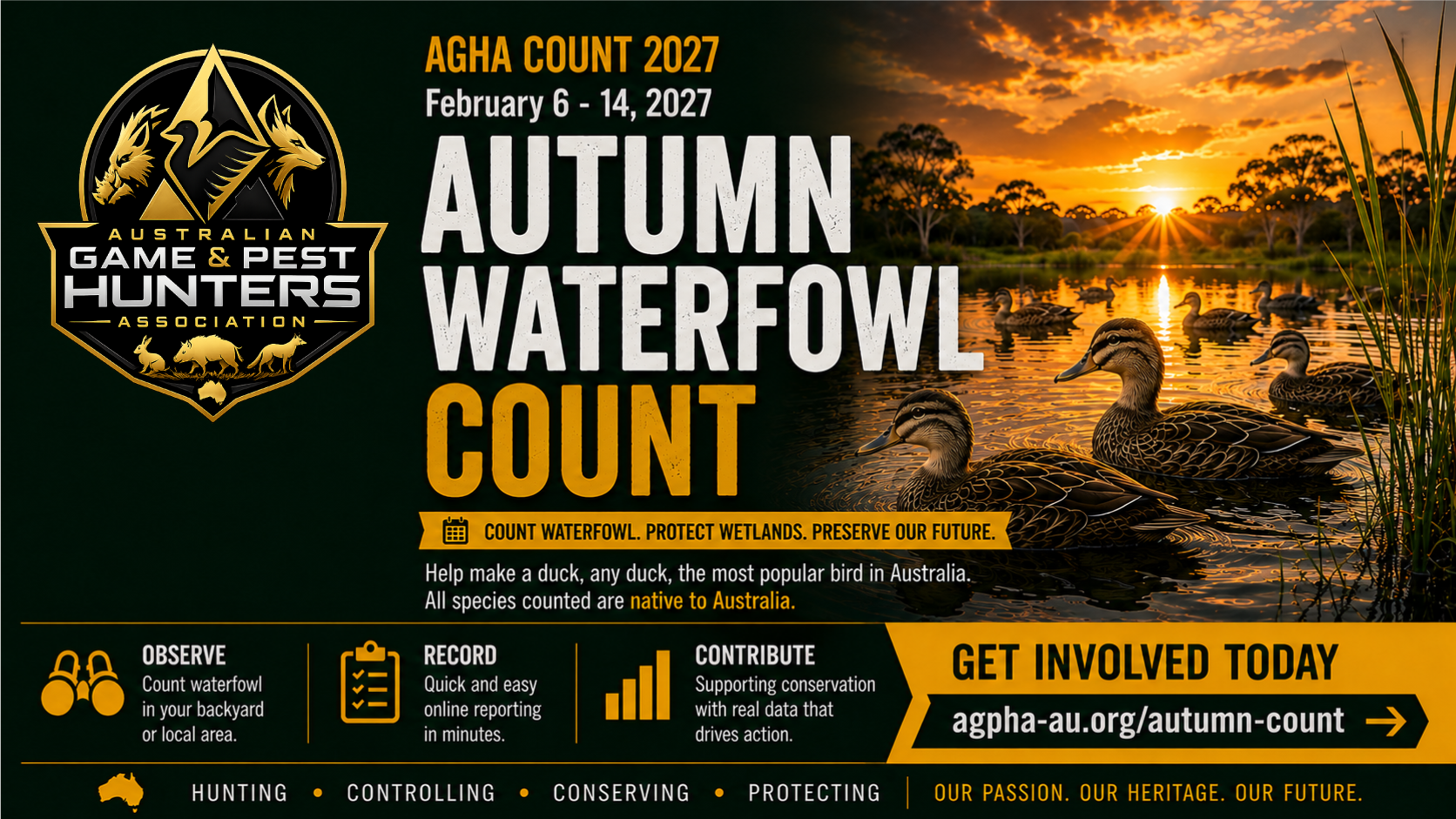
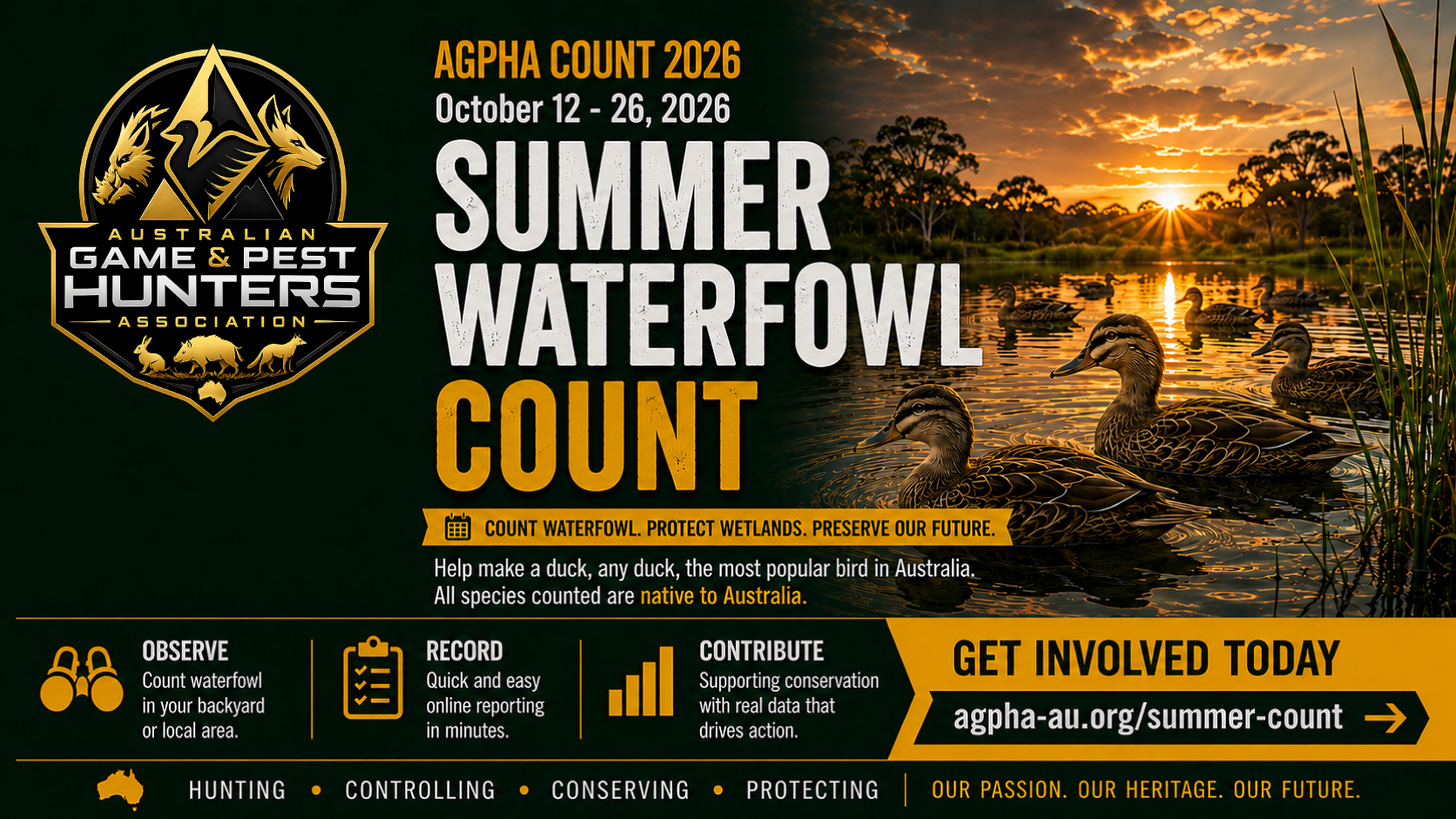
The AGPHA Birds in Backyards Waterfowl Count invites ordinary Australians to notice these birds, record them carefully and share evidence that can improve understanding of waterfowl living near people.
Twenty quiet minutes can make a useful record
Choose a backyard pond, farm dam, local park, river, creek, lake, school ground or neighbourhood wetland. Observe from a safe position without approaching or disturbing the birds.
Record the date, time, location and basic conditions. Count each waterfowl species, separating adults and juveniles where you can do so confidently. Add notes about feeding, nesting, broods, disturbance or predators.
Photographs are valuable, especially where identification is uncertain. A clear image may help an administrator verify a record later. Submit the count through the AGPHA app.
Start with the ducks you are most likely to see
Better habitat begins with simple choices
Protect existing reeds, rushes and native plants around water edges. Vegetation provides cover, nesting material, feeding areas and refuge from disturbance.
Keep cats contained and dogs controlled near nesting or resting birds. Avoid feeding bread. The better long-term action is usually to improve habitat and allow birds to forage naturally.
Reduce litter, fishing line and chemical runoff. Maintain clean water where possible, and leave some quieter areas where birds can rest without being continually approached.
Let’s make a duck — any duck — the most popular bird in Australia
AGPHA is asking Australians to look closely at the waterfowl living around them and submit a count.
The AGPHA Birds in Backyards Waterfowl Count is an independent AGPHA initiative. It is not represented as an official BirdLife Australia survey or partnership. Participants may separately contribute eligible observations through BirdLife Australia’s Birdata programs.